Integrating Dream Game Into Your Creative Workflow
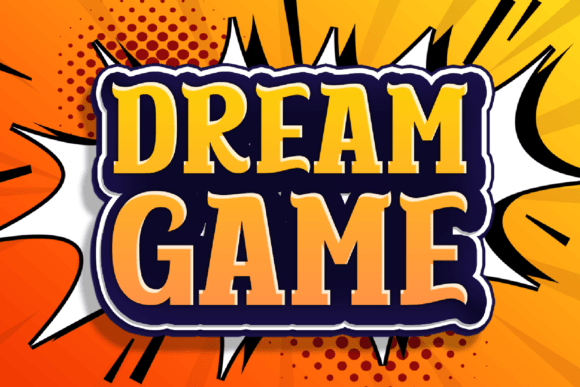
Typography is often the silent ambassador of design, setting the tone before a single word is read. When working on projects that target younger audiences or require a sense of unbridled energy, standard sans-serifs and rigid serifs frequently fall short. This is where Dream Game enters the creative pipeline. As a stunning display font, it offers more than just aesthetic appeal; it provides a functional tool for engagement. Its hand-drawn charm and dynamic forms are specifically engineered to make reading fun and visually exciting, making it the go-to choice for children’s comics, educational materials, and playful branding.
For professionals ranging from graphic designers and marketers to educators and small business owners, understanding how to integrate a specialized typeface like Dream Game into a broader workflow is essential. It is not merely about selecting a font at the end of a project; it is about recognizing where this specific stylistic choice adds value to the communication process. By examining its application across different stages of content creation, we can ensure that the final output is not only visually striking but also effective in achieving its intended goals.
Strategic Placement in the Design Process
The decision to use Dream Game should occur during the initial conceptualization phase rather than as an afterthought. Because it is a display font with strong personality traits, it dictates the visual hierarchy of any layout. When planning a children’s comic book, a summer camp brochure, or a playful mobile game interface, identifying the need for high-energy typography early allows for better spatial planning. The irregular baselines and varied stroke weights characteristic of Dream Game require more white space and careful alignment compared to uniform body fonts.
During the wireframing or sketching stage, designers should account for the unique proportions of each letterform. Unlike geometric fonts that fit neatly into grid systems, Dream Game thrives in organic layouts. This means that when you are mapping out user interfaces or page structures, you must allow for flexibility. If you attempt to force this font into a rigid, corporate-style grid, you risk losing the very energy that makes it effective. Therefore, the integration of Dream Game begins with a willingness to adapt the surrounding design elements to complement its lively nature.
Enhancing Engagement in Educational and Narrative Content
For educators and publishers, the primary objective is often retention and comprehension. Young readers, in particular, respond positively to visual stimuli that break the monotony of standard text. Dream Game serves as a powerful tool in this context. When used for chapter headings, dialogue bubbles in comics, or key vocabulary words in learning apps, it creates visual anchors that guide the eye and maintain interest.
Consider the workflow of creating an interactive e-book. The narrative flow is critical, but so is the pacing. By using Dream Game for emphasis points—such as sound effects, character names, or exclamations—you create a rhythm that mirrors the excitement of the story. This strategic usage prevents cognitive overload. It is important to note that Dream Game is best suited for short bursts of text rather than long paragraphs. Its complex shapes can become difficult to read in dense blocks. Therefore, pair it with a clean, highly legible sans-serif for body text. This contrast ensures that the playful elements stand out without compromising readability, maintaining a balance between fun and function.
Brand Consistency and Marketing Applications
Small business owners and marketers often struggle to convey brand personality through digital assets. Whether you are running a toy store, a family-friendly cafe, or a creative workshop, your visual identity must communicate warmth and approachability. Dream Game can serve as a cornerstone of this identity when used consistently across various touchpoints. From social media graphics to packaging labels, the font’s energetic style reinforces the brand’s promise of joy and creativity.
However, consistency requires discipline. To avoid a chaotic brand image, establish clear guidelines for how and where Dream Game is used. For instance, limit its application to headlines, logos, and call-to-action buttons. Ensure that color palettes complement the font’s hand-drawn aesthetic. Bright, saturated colors often work well, but pastel tones can also soften the look for a more gentle appeal. By defining these parameters early in your marketing strategy, you ensure that every piece of collateral feels cohesive, regardless of who creates it or which platform it appears on.
Technical Implementation and Compatibility
From a technical standpoint, integrating Dream Game into your workflow requires attention to file formats and software compatibility. Most modern design tools, including Adobe Illustrator, Photoshop, InDesign, and web-based platforms like Canva or Figma, support standard font formats such as OTF and TTF. Before beginning a large-scale project, verify that the font renders correctly across all intended devices and browsers if used digitally.
For web developers and digital marketers, implementing Dream Game on websites involves converting the font files to web-friendly formats like WOFF2. This ensures fast loading times, which is crucial for user experience and SEO. Additionally, consider fallback fonts. If Dream Game fails to load for any reason, specify a secondary font that maintains a similar weight and mood to prevent jarring visual shifts. Testing these implementations on multiple screen sizes is vital, as the intricate details of hand-drawn fonts can sometimes blur on lower-resolution displays.
Optimizing for Readability and Accessibility
While the aesthetic appeal of Dream Game is undeniable, accessibility must remain a priority. Designers and content creators have a responsibility to ensure their work is inclusive. The playful irregularities that give Dream Game its charm can pose challenges for individuals with dyslexia or visual impairments. To mitigate this, always prioritize high contrast between the text and background. Avoid placing the font over busy images or patterns that compete for attention.
Furthermore, adjust kerning and leading appropriately. Display fonts often have default spacing that may not suit every context. Manually tweaking the space between letters can significantly improve legibility, especially in all-caps scenarios. For critical information, such as safety instructions or contact details, consider using a simpler font even within a playful design system. This hybrid approach respects the artistic intent of Dream Game while ensuring that essential information remains accessible to all users.
Long-Term Value and Asset Management
Investing in a quality typeface like Dream Game is a long-term decision. To maximize its value, organize your font library effectively. Tagging and categorizing fonts by mood, use case, and project type saves time during future workflows. When starting a new project, having a curated selection of reliable display fonts allows for quicker iteration and decision-making. Keep backup copies of license agreements and font files in a secure, cloud-based storage system to prevent loss and ensure compliance with licensing terms.
Regularly review how Dream Game performs in your completed projects. Gather feedback from clients, users, or students. Did the font enhance engagement? Were there any readability issues? Use these insights to refine your usage guidelines. Over time, you will develop a nuanced understanding of exactly when and how to deploy this font for maximum impact. This iterative process turns a simple design asset into a strategic component of your creative toolkit.
In conclusion, Dream Game is more than just a collection of letters; it is a catalyst for engagement. By integrating it thoughtfully into your design, educational, or marketing workflows, you can create experiences that resonate with young audiences and bring a sense of joy to everyday interactions. The key lies in balancing its expressive energy with structural clarity, ensuring that every application serves both aesthetic and functional purposes. Whether you are illustrating a comic, designing a classroom poster, or branding a playful startup, Dream Game offers the versatility and charm needed to make your message stand out in a crowded visual landscape.